


2011 - 2012
Archival Anthropology
The book is about Shari`a texts in Yemen in the first half of the twentieth century under the last of the Zaydi imams. It is also about issues of textuality and methods of reading. This excerpt is taken from the end of the second chapter, so it comes after the book's general introduction and also after I have elaborated my conceptions of the "library" and the "archive," which refer to cosmopolitan versus contingent texts. The excerpt opens with two vignettes from my early research in the highland town of Ibb.
Prof. Brinkley Messick
Anthropology and MESAAS
September 15, 2011 4 pm 208 Knox Hall
MESAAS DEPARTMENT COLLOQUIUM
"Portrait of a Raja in a Badshah's World: Amrit Rai's Biography of Man Singh (1585)."
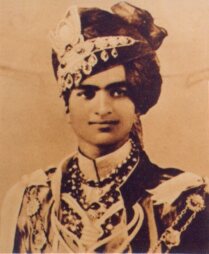
Prof. Allison Busch
October 6, 2011 4 pm 208 Knox Hall
Oct 20, 2011: Prof. Mahmood Mamdani, MESAAS, "Beyond Nuremberg: Learning from the South African Transition"
MESAAS Department Colloquium
Nov. 10, 2011 4:10pm, 208 Knox Hall
Prof. Rachel McDermott, Asian and Middle Eastern Cultures, Barnard College
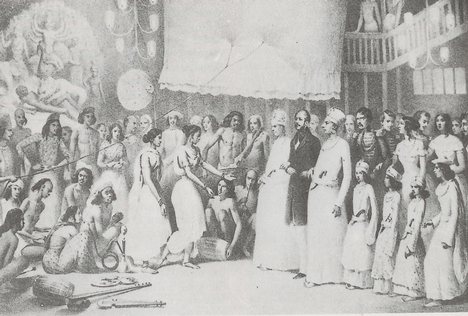
"Revelry, Rivalry, and Longing for the Goddesses of Bengal."
The celebration of the Sakta Pujas to Durga, Jaggadhatri, and Kali certainly predates the arrival of European merchant-traders and colonialists in Bengal, but not by a great deal. One could in fact argue that it was the presence of the British that provided the initial impetus for the festivals' development into the characteristic forms we see today, with goddesses worshiped in temporary temples, or pandals, placed to the side of public urban thoroughfares. This chapter covers the entire period of British rule in Bengal - from the mid-eighteenth century until 1947 and beyond - illustrating the history of English-Indian relations in miniature, through the lens of the Pujas. How did the various, and changing, British attitudes toward Indians, Bengalis, Hindus, Muslims, festivals, rulership, and intercommunity mixing affect their perspective on the Pujas? And how did Bengali choices regarding Puja sponsorhip and organization reflect their views of British suzerainty in Bengal?... That there was never one monolithic "British" perspective on India, or one "Hindu" response to it, is amply demonstrated by a glance at the developmental history of the Pujas. There is one constant, however, and that is the Janus-faced nature of the Puja symbol, which always looks both ways, reflecting to its British and Indian interpreters what is opccurring in the public, political, and interethnic spheres.
This is a chapter from Prof. McDermott's new book on the Bengali Goddess festivals (2011). Please join us from 4:10 - 6 pm for discussion.
MESAAS Department Colloquium
Dec. 8, 2011 4:10pm, 208 Knox Hall
Prof. Gil Anidjar, Religion and MESAAS
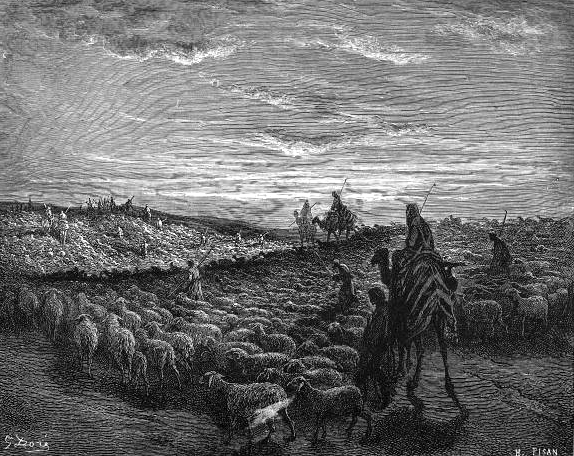
"Yet Another Abraham"
Paper available in the MESAAS Office. Please join us from 4:10 - 6 pm for discussion.
MESAAS Department Colloquium
Feb. 2, 2012 4:10pm, 208 Knox Hall
Prof. Fran Pritchett, MESAAS
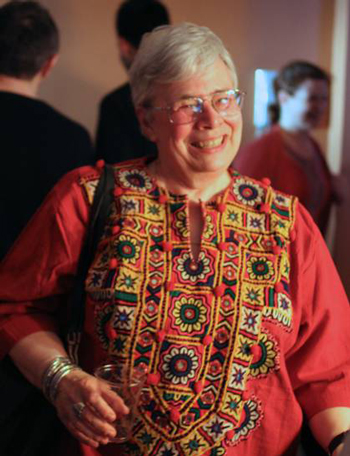
"Ghalib and his commentators: With friends like these, who needs enemies?"
Paper available in the MESAAS Office. Please join us from 4:10 - 6 pm for discussion.
MESAAS Department Colloquium
Feb. 16, 2012 4:10pm, 208 Knox Hall
Prof. Najam Haider, Religion, Barnard College
"Identity Formation and Sacred Spaces in Early Shi'ism"
Paper available in the MESAAS Office. Please join us from 4:10 - 6 pm for discussion.
MESAAS Department Colloquium
March 8, 2012 4:10pm, 208 Knox Hall
Prof. Guy Leavitt, MESAAS
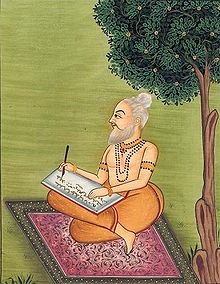
"Instructive Paradigms: The Narrative
Poetics and Cosmology of Time in the Valmiki-Ramayana."
Paper available in the MESAAS Office. Please join us from 4:10 - 6 pm for discussion.
MESAAS Department Colloquium
March 29, 2012 4:10pm, 208 Knox Hall
Lena Meari, Center for Palestine Studies, Columbia
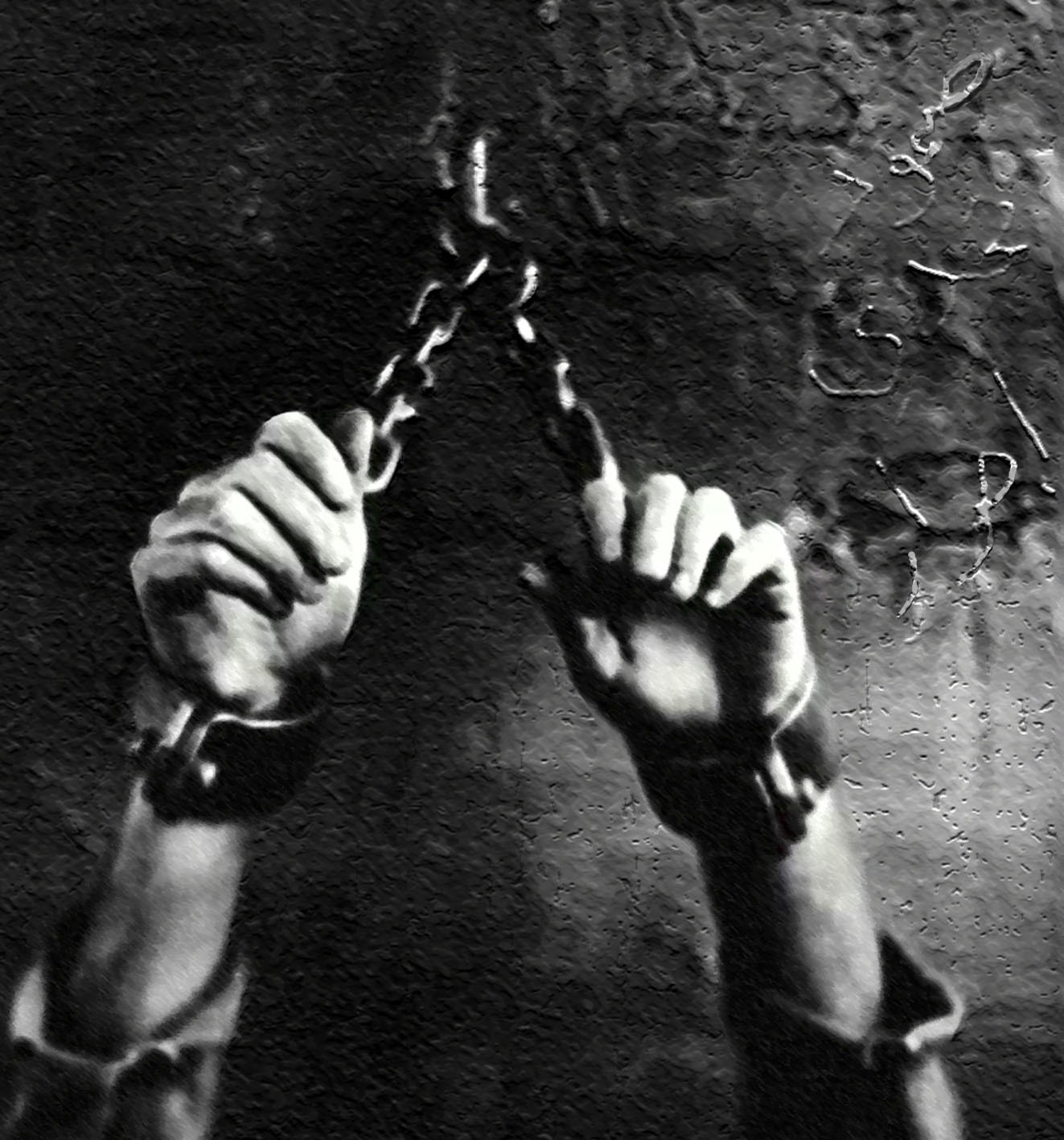
"Sumud:
A Philosophy of Confronting Interrogation in Colonial Palestine."
Paper available in the MESAAS Office. Please join us from 4:10 - 6 pm for discussion.
MESAAS Department Colloquium
April 19, 2012 4:10pm, 208 Knox Hall
Prof. Alan Verskin, MESAAS
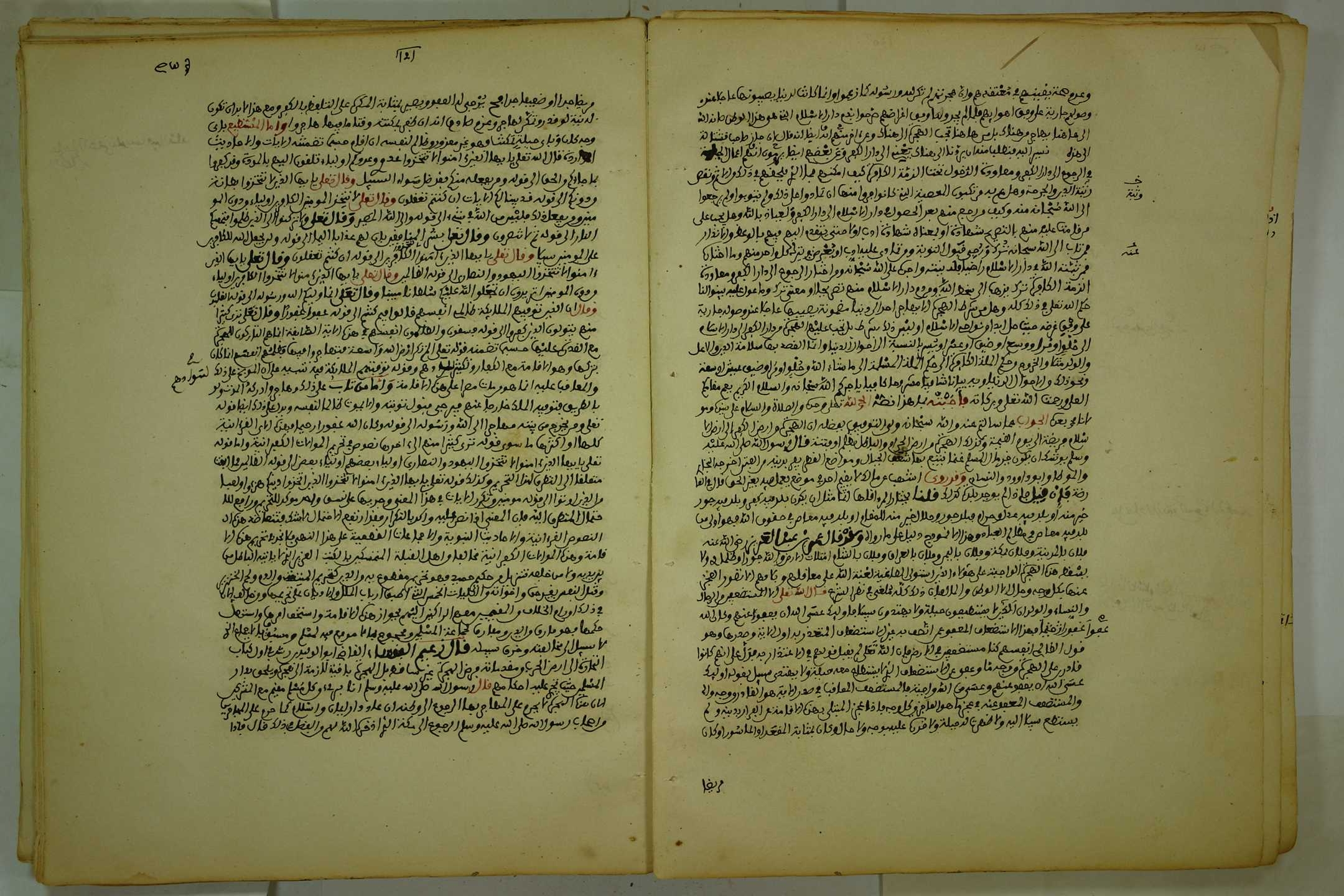
"Hijra (sacred migration) in the
Maghribi legal tradition."
Paper available in the MESAAS Office. Please join us from 4:10 - 6 pm for discussion.

